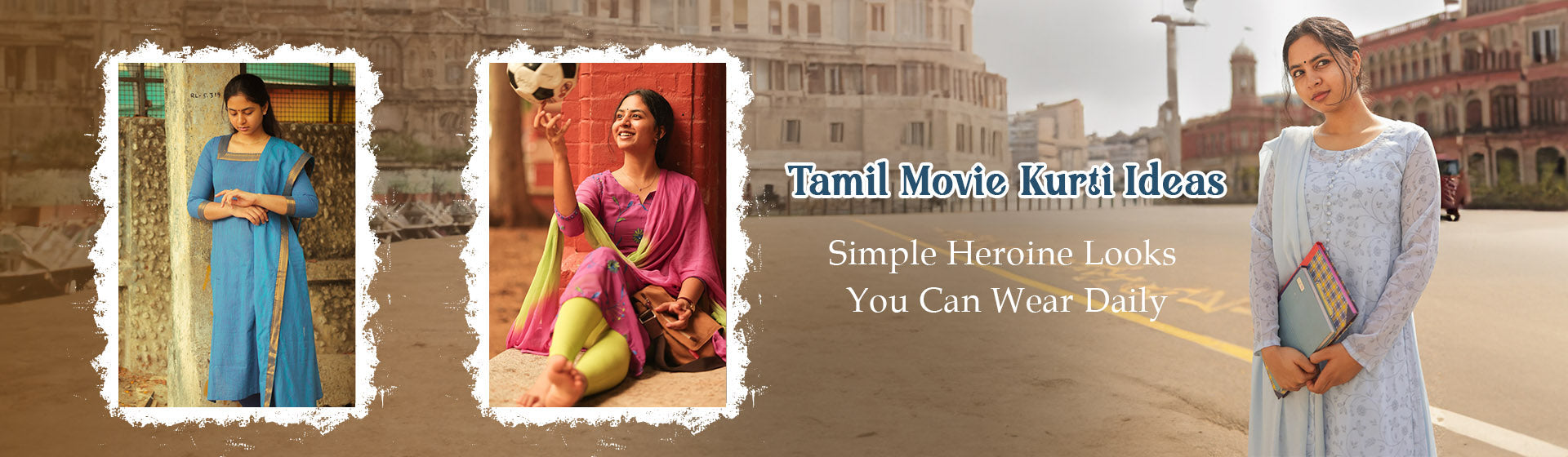

Styling a dupatta with a kurti looks simple at first glance. In practice, it shapes how your entire outfit feels. The drape affects balance, comfort, and how put together you appear. This guide breaks things down in plain language, with practical steps you can use right away. No fashion jargon. No fluff. Just clear guidance for everyday wear.
Whether you dress for work, college, family events, or casual outings, understanding dupatta styling helps you get more value from the clothes you already own.
Also read: Tamil Movie Kurti Ideas: Simple Heroine Looks You Can Wear Daily
Why Dupatta Styling Matters with a Kurti
A kurti often sets the base of the outfit. The dupatta adds structure and contrast. When styled well, it improves proportion and makes the outfit feel intentional. When styled poorly, it distracts or feels uncomfortable.
Here is what proper styling helps you achieve:
- Better visual balance between top and bottom.
- More comfort during long wear.
- A polished look without adding layers.
- Flexibility to reuse the same kurti in different ways.
This guide focuses on simple, repeatable methods. No special pins or complex folds needed.

Simple Draping Styles for Everyday Wear
The Classic One-Shoulder Drape
This timeless style works for almost any occasion. Drape the dupatta over one shoulder, letting it fall naturally down your back and front. Adjust the length on both sides to create balance. Pin it at the shoulder if you want extra security.
This method highlights the neckline of your kurti while keeping you comfortable throughout the day. It works particularly well with straight-cut kurtis and A-line designs.
The Front Pallu Style
Place the center of your dupatta on one shoulder, bringing both ends forward. Let them hang evenly in front, creating a symmetrical look. This style adds vertical lines to your silhouette and works beautifully with ankle-length kurtis.
You get coverage without feeling restricted, making it perfect for casual outings or running errands. The front pallu method also protects your kurti from stains while eating.
The Neck Wrap
Drape your dupatta around your neck like a scarf, with both ends falling forward. This creates a cozy, put-together appearance. Adjust the tightness based on your comfort and the weather.
The neck wrap works exceptionally well with round-neck or V-neck kurtis. It draws attention to your face while adding warmth during cooler months.
Formal and Festive Styling Options
The Double-Sided Drape
Take your dupatta and place the center at the back of your neck. Bring both ends forward over your shoulders, letting them hang on either side. This creates symmetry and works beautifully for formal settings.
The double-sided drape gives you a balanced, elegant appearance. It pairs well with embellished kurtis and adds formality to your outfit without extra effort.
The Pleated Pallu
Create even pleats along the length of your dupatta before draping it. Pin these pleats at your shoulder, letting the remaining fabric fall gracefully. This structured style suits weddings, religious ceremonies, and formal gatherings.
The pleated method requires a bit more time but delivers a sophisticated result. Practice making uniform pleats to achieve a polished finish.

Colour Coordination Strategies
Mixing colours changes the impact of your outfit. You have two main options: contrast or monotone.
- Contrast Styling: Wear a dupatta that opposes your kurti colour. Pair yellow with blue. Mix red with green. This breaks the visual uniformity. It makes the dupatta style for kurti the star of the show.
- Monotone Styling: Wear the same colour from head to toe. This creates a seamless line. It makes you look taller. Use different textures to add interest. Pair a cotton kurti with a net dupatta in the same shade.
Fabric Selection Guide
Your fabric choice dictates the drape. Stiff fabrics behave differently than flowy ones.
- Cotton: Holds pleats perfectly. Great for daily wear. Breathable and comfortable.
- Chiffon: Slips easily. Needs pins. flows beautifully for open drapes.
- Silk: stiff but rich. Best for single shoulder or elbow drapes. Adds a festive touch.
- Georgette: Slightly heavier than chiffon. Drapes well. Good for simple kurtis.
- Net: Very light. Needs heavy borders to hang well. often used for party wear.
Styling for Body Types
Different drapes flatter different shapes. Use these dupatta kurti ideas and simple tips to enhance your silhouette.
- Petite Frames: Avoid heavy pleats. Use a single side drape. It creates height.
- Curvy Frames: Open drapes work well. They provide coverage and balance.
- Tall Frames: You can carry heavy fabrics. The elbow drape suits you.
- Pear Shapes: Draw attention to the upper body. Use a V-shape or neck wrap.
Practical Dupatta Styling Mistakes to Avoid
Even simple outfits suffer from common errors. Avoid these issues for a cleaner look:
- Overlapping too many folds near the neck.
- Letting one side hang much longer than the other.
- Using heavy dupattas with lightweight kurtis.
- Constantly adjusting the drape during wear.
- A dupatta dragging on the floor looks messy. Hem it to the right length.
- Visible pins ruin the look. Hide them under the folds.
A stable drape looks more confident and feels more comfortable.
Learn more about: 7 Trendy Cotton Kurti Designs Every Woman Should Own in 2026
Explore the Dupatta Collection at Instore
You need the right accessories to build these looks. Instore offers a wide variety of options for your wardrobe. Our collection features diverse fabrics and prints suited for every season. You find cotton pieces for summer and heavier textiles for festivities.
The range includes solid colours for mixing and matching. It also features intricate prints for statement looks. High-quality fabric ensures the drapes fall correctly. You avoid the frustration of stiff or slippery material. A good dupatta completes the outfit.
Final Touches with Accessories
Jewelry complements your drape.
- High Neck Drapes: Wear large earrings. Skip the necklace.
- Deep Neck Drapes: Wear a choker or long chain.
- One Side Drape: Bangles on the bare arm balance the look.
Accessories fill the gaps. They work with your dupatta style with kurti to create a cohesive image. Pay attention to details.
Fashion is a tool. It helps you express yourself. Styling a dupatta gives you versatility. One kurti becomes ten different outfits. You simply change the drape. You change the accessory. You change the vibe.
Use these tips to experiment. Stand in front of the mirror. Try the belt style. Try the pleats. See what suits your body. See what fits your mood.
Start with the basics. Master the single shoulder pin. Then move to complex styles. Your confidence will grow. You will soon drape without thinking. You will look stylish every day.
FAQs On Styling Dupatta with Kurti
1. How to wear dupatta on kurti?
Start with a simple drape across both shoulders or around the neck. Keep the length even and adjust once for comfort. This method suits daily wear and stays in place.
2. How to wear kurti set with dupatta?
Use the dupatta included with the set and follow a balanced drape. Single-shoulder or straight-front styles keep the outfit coordinated and neat.
3. How to choose dupatta for kurti?
Focus on fabric weight, colour harmony, and length. A lighter dupatta suits casual kurtis, while structured fabrics work better for formal sets.
4. Which type of dupatta is best?
There is no single best type. Cotton works well for daily wear, while silk blends suit events. The right choice depends on comfort and occasion.
5. What is the latest dupatta trend?
Current trends focus on simple drapes and versatile fabrics. Clean styling and neutral tones remain popular across settings.